Colshaw – The Return

Following on from last year’s art project in Colshaw, myself and fellow artist Richard Dawson were asked by Cheshire East Council and Lime Art to return to the estate to run another project with the same group. Last year’s project focused on creating artwork for part of a concrete wall on the edge of the park. As the wall is (very) long and fairly unattractive, we decided it would be good to continue with this theme and create more artwork for the same wall.
Despite numerous and repeated predictions that the original artwork would get vandalised, only one part got burnt (a letter ‘S’ that was wrapped in varnished string) which was quite an achievement. As part of the second project, we were also asked to replace this ‘S’.
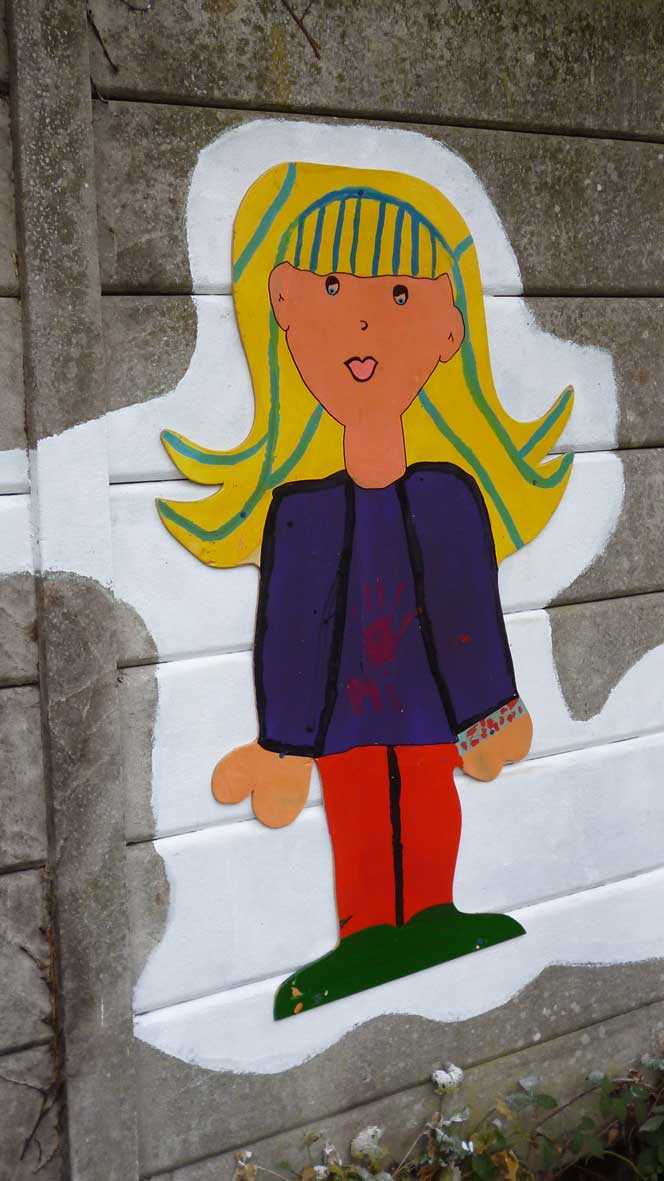
We worked for several evenings with the group of young people to come up with ideas and concepts for what the artwork could be. Then, during the October half-term we worked for three days to produce the work, which involved creating designs, large-scale drawing, using the fret saw to cut the shapes, sanding, painting and adding final detailing. Each group member produced a large scale ‘character’ that they drew, cut out of plywood and painted. We then took them away to varnish (the horrible, toxic, smelly bit) and brought them back to install on a freezing cold Saturday with the help of Steve from local housing association, Riverside.
As ever it was a pleasure to work with this group of young people from Colshaw. Their energy, enthusiasm and interest in the project made it an incredibly satisfying and rewarding project to work on. Yes, the group require a fair amount of discipline and control and it is hard work but the kids from this estate are some of the best I have ever worked with and I would choose to work with them again in an instant.


My post ends here. If you can see an advert under this text – please ignore it. It is WordPress’ policy to ‘occasionally’ place ads on blogs. This advert is inappropriate to my readers and blog content and I am currently trying to get WordPress to remove it. If you have time, please email support@wordpress.com to complain. Thankyou!
Waste Creative – an award-winning success!

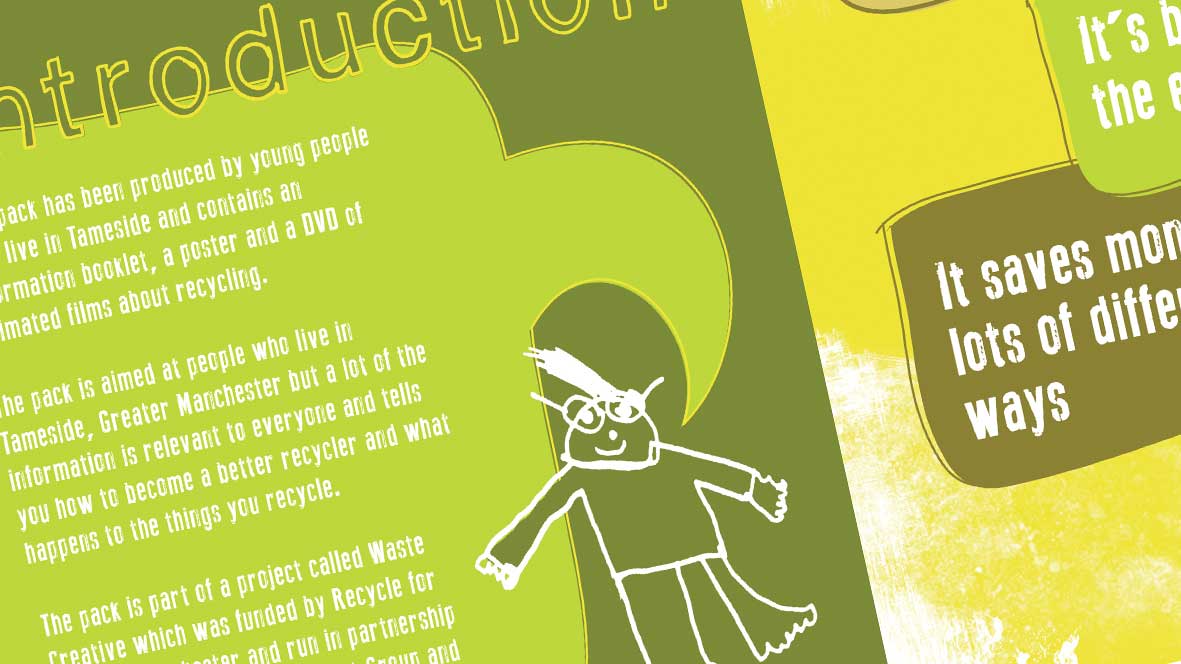
Waste Creative, the recycling project run by Woodend Artists and funded by Recycle for Greater Manchester has come to the end of it’s first phase. The project consisted of a series of workshops based around using rubbish creatively and culminated in the production of an information pack and DVD about recycling. The project also included a visit to the Materials Recovery Facility in Manchester, composting workshops and choosing some local recycling champions.
The project was launched at New Charter’s head offices in Ashton-under-Lyne where we had an exhibition of all the artwork created, gave out the completed packs and had a film premiere with the animations the group created. All the groups and their parents were invited to the launch along with the press and the funders.
A week later the project won the ‘Love where you live’ award from national organisation and environmental charity Keep Britain Tidy.
Below are some images of the artwork created during the project…


Have a look at the animations the kids created here…
<p><a href=”http://vimeo.com/53216286″>Waste Creative The Movie</a> from <a href=”http://vimeo.com/user14369968″>Woodend Artists</a> on <a href=”http://vimeo.com”>Vimeo</a>.</p>My post ends here. If you can see an advert under this text – please ignore it. It is WordPress’ policy to ‘occasionally’ place ads on blogs. This advert is inappropriate to my readers and blog content and I am currently trying to get WordPress to remove it. If you have time, please email support@wordpress.com to complain. Thankyou!
The garden design bug
Following the two weeks of slog at the RHS Tatton Flower Show this year, I’ve decided to sign up for more! I think it must be a bit like childbirth (I don’t know) – it’s awful at the time but you’re quite happy to do it again. Anyway as I’ve had two garden projects this year (The Hideaway Garden is still ongoing) I’ve signed up to do a Garden Design course at Reaseheath College in Nantwich.
We’re only four weeks in but I’ve already learnt about lots of garden designy type things including unity, focalisation and progressive realisation. We’re moving onto garden design history next (which we have to write an assignment on – gulp) and then we start the design part where we go to a real (yes – REAL) garden, do a proper site survey and create a design for it. We’ll do this using proper old-school drawing techniques (not a computer or graphics tablet in sight) with technical pens, compasses and drawing boards.
I’ve also made a sneaky start on learning the fancy writing you see on hand-drawn plans. Pete (Castle) did some on the design for The Hideaway Garden – have a look at it here. It’s often called architectural lettering and there are quite a few instruction books you can get on it – pretty cheaply as most of them were published before computers were invented!
Here’s my progress…(ignore the words – I’m writing nonsense)

First attempt at architectural lettering – awful

Using lines for architectural lettering is essential

Trying to keep the lettering consistent
Dealing with clients who think you’ve got all the time in the world…
Bear with me, I get to the point eventually…
When I was thinking about starting a blog, I looked for other titles, website urls etc that already had my chosen name ‘Being A Freelance Artist’. Fortunately there wasn’t anything else by the same name but there was a great blog (which I’ve mentioned before) by a graphic designer called Jeremy Tuber who is based in America. His blog called Being A Starving Graphic Artist Sucks (read it here) is a brilliant resource for anyone who is a freelance designer, creative type person and has lots of brilliant advice on dealing with clients, including the app ‘Verbal Kung-Fu for Freelancers’ which I’ve got on my mobile.
I turned up to a meeting today (nicely timed with five minutes to go to agreed meeting time), only to find the building locked up and no one in sight. That’s fine, I thought, I’m five minutes early, they’re obviously running a little late. 15 minutes later no one has appeared, no one has rung and my nose has turned blue waiting in the cold. Gave the client a ring and it turns out he hadn’t forgotten but had been held up and was going to be another ‘…five, …no ten, no more like 15 minutes…why don’t you jump in your car and come up here?’ Brilliant idea but I had walked there…
A simple (and easy) solution would surely have been to ring me and let me know when it became obvious he wasn’t going to leave on time to get to the meeting . We could have rescheduled for later in the day, changed meeting to another day or changed location. I’m pretty easy – meeting at 1pm or 2pm makes little difference, if I’m sat at my computer doing design work all day. What does make a difference is going to a meeting that doesn’t happen and has consequently wasted an hour of my day. I’m not being paid for the meeting so suddenly I’m down an hour, I’ve got to do the meeting another time (which means a bit of re-shifting elsewhere) and I haven’t got all my work done.
So – how to deal with this type of problem…
You can’t go in guns blazing and get very annoyed and shouty (and really, I can’t think of any time you should be anything other than professional), it’s about setting limits BEFORE it happens. Possibly I had always been far too flexible and accommodating previously and so the client thought it was fine to be late to a meeting. A gentle reminder when you arrange the meeting to ‘please phone (text, email etc – whatever suits you) if you’re going to be late or need to rearrange’ is easy enough to do – you’re still showing the client flexibility whilst prompting them to think about YOUR time and work commitments, not just theirs.
And if it does happen… it’s definitely worth explaining to them why it’s not okay. Remember – if your client has a ‘proper job’ that pays them the same amount of money at the end of every month, they won’t really understand why an hour wasted going to a meeting that didn’t happen is costly to you (and yes, PAYE vs freelance will be a separate rant that will probably be several pages long). Also, if you are too accepting of their no-show, they’ll think it’s okay to do the same thing next time.
Just a final thought – I started writing this post back in January 2012 and have only just got round to finishing it…
Work on the Hideaway Garden starts
It’s been a long time coming but we’ve finally got planning permission to turn a small parcel of land into a community garden in Farnworth, Bolton.
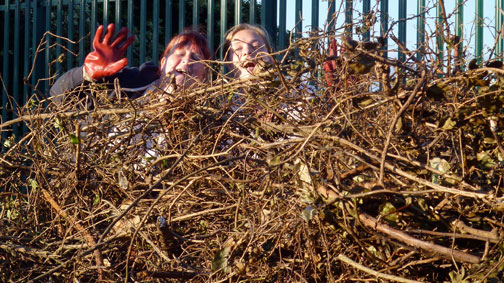
 Initial clearing and digging of pathways was done by a group of fabulous Prince’s Trust lads. We then got Ambec Fencing to come along and install a new fence along the front and back borders of the property. The right hand-side faces onto a cricket club and on the left is Bolton at Home residential housing.
The project has been funded by Symphony Housing and is going to create a garden filled with lots of things including a playhouse, raised beds for growing vegetables, composting area, sitting areas, flower beds and fruit trees. However there’s lots of digging and landscaping to be done first made much harder by the fact that a rubbish tip and half a housing estate seems to be buried under the ground! Digging goes something like this… put your spade in an inch, hit something, dig around the two bricks you’ve struck, remove them, try putting your spade in again, hit something different this time, discover a black bin bag of rubbish, dig it out, try again and hey presto – you finally get to something resembling soil!
We’ll also be creating some art with local communities to put in the garden – this is likely to include mosaics and withy sculptures. Alongside this, we’ll be creating a film about the process which will include some timelapse. some animation and also some interviews with our willing volunteers and other local people.
10 things to remember when quoting for work
1. It will always take longer than you think.
2. Include prep time AND finishing time – this includes shopping for materials, getting materials ready, creating examples.
3. Include meetings and administration time.
4. Make sure prices from your suppliers include VAT or add it on to costs (unless VAT registered).
5. If the job includes a final product/design that needs signing off, allow for changes and alterations – think about specifying an allowed number of amendments/revisions.
6. The price you quote could set the standard for further work from this client. If you are thinking about doing it as a loss leader – tell them! You shouldn’t suddenly hike your prices up for no reason.
7. You are a business and you need to sustain your business. Make sure your quote is reasonable but at the same time, make sure you aren’t under-quoting.
8. Never give an on-the-spot quote. It is always worth getting back to a client ONCE you’ve had time to put together realistic costs and time needed to complete the work.
9. Think about giving two or three price options. Include exactly what a client gets for each price level. This gives the client choice and clearly sets out what work can be done for what cost.
10. And… it will always take longer than you think.
One more thing to add – it’s quite useful to have day/half day/hourly rates fixed in your mind as new clients will often ask what your rates are. I know this contravenes point no. 8 but it is sometimes useful and you don’t have to use it. You can also have different rates depending on what type of client is asking, what their budgets are likely to be and what type of job it is.
Waste Creative starts
Woodend Artists have started the Waste Creative project with a series of workshops making animal sculptures from recyclable materials. Working with three different groups of young people from the New Charter estates in Mossley, artist Richard Dawson and myself, Jacqui Symons used milk bottles, plastic pop bottles and cardboard to create group sculptures of a wolf, a giraffe and an elephant and smaller individual sculptures.
The next part of the project is a visit to the Recycling Centre in Sharston, Manchester and then we’ll start to create an information booklet that will be for New Charter residents and will include information about recycling and what can and can’t be recycled.

Mosaic lettering – timelapse
I should have posted this ages ago but have only just worked out how to embed video in to my blog!
This shows the first stage of making the outdoor classroom mosaic floor. The method being used to create the mosaic is the double-indirect method, whereby the tiles are stuck onto brown paper and then reversed ready for installation. The fill-in and background colours are added once the detail has been reversed. To give you an idea of how long the mosaics took to create, the word ‘Merryweather Damson’ which is being created in this time-lapse took about 1 day to complete…
Hyde Park Community Orchard Artwork – installation
Just before the build fortnight on the RHS Tatton show garden, I had 10 days in the rain (plus one dry day) installing artwork in the Hyde Park Community Orchard. Not ideal weather for installing a mosaic which is mounted on paper but we soldiered on and (almost) got everything finished.
 First job was a dry fit of the classroom floor mosaic to check it all fitted together onto the 3m concrete base. The mosaic was separated into 27 sections, so it took a bit of work to make sure it all went together as it should.
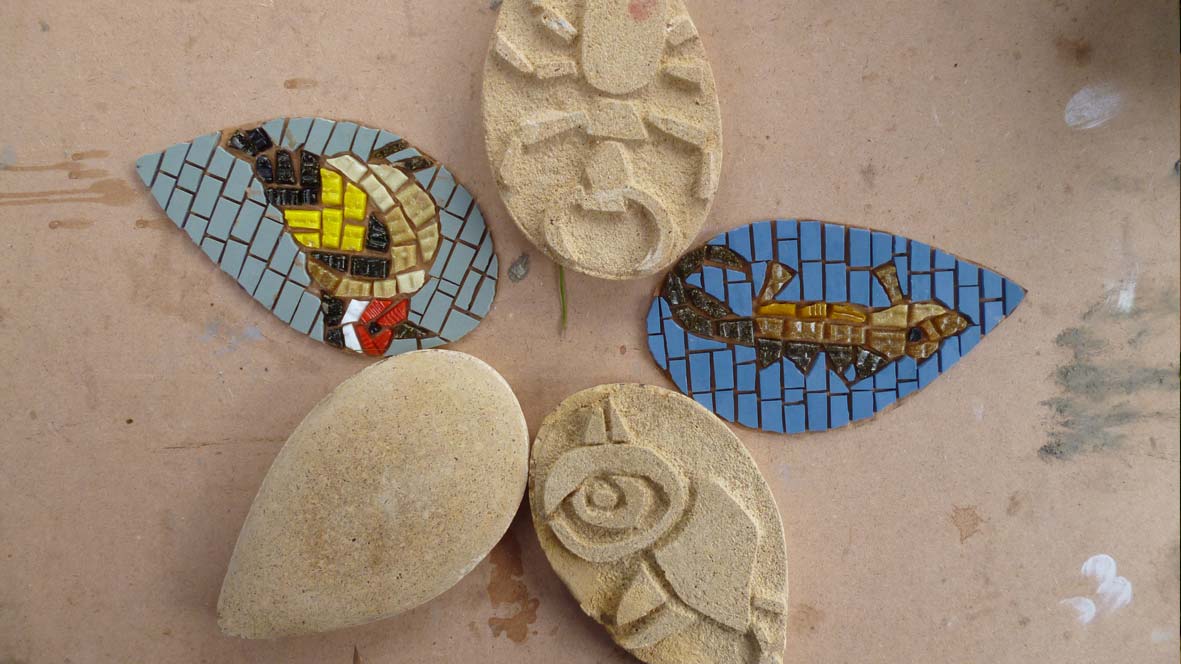 Laying out the mosaic and cast stone ‘apple pip’ inserts for the Wildlife Discovery Trail sculptures…
 Then the rain started…
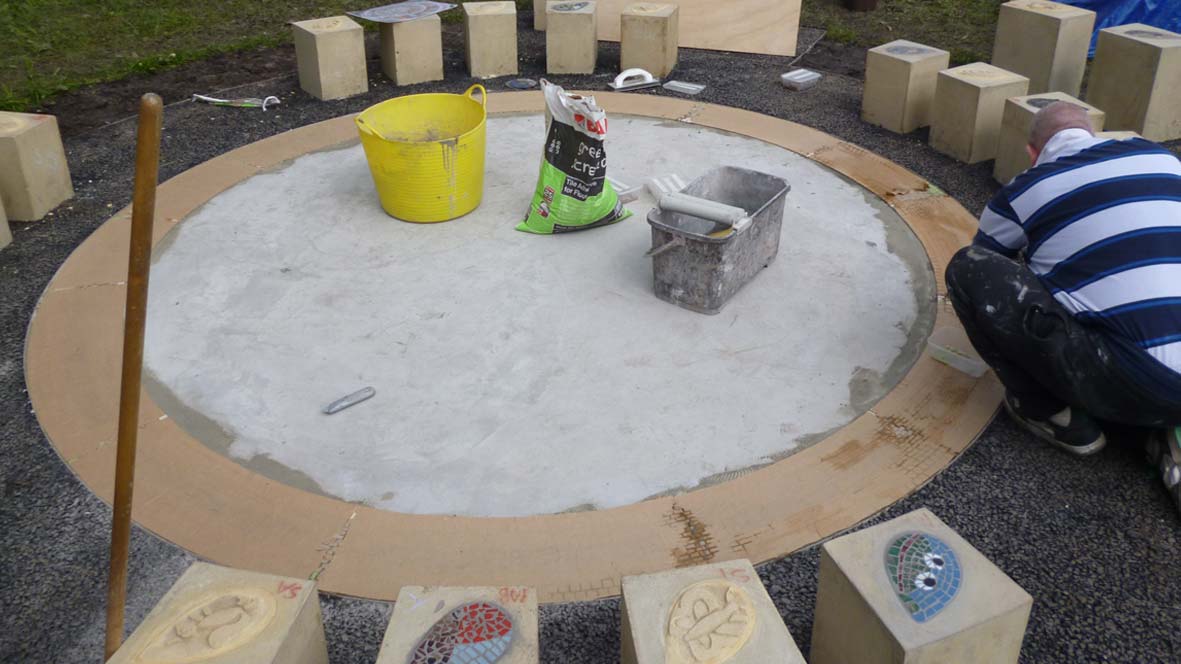 We got the mosaic wording in on a dry Sunday with the help of Des…
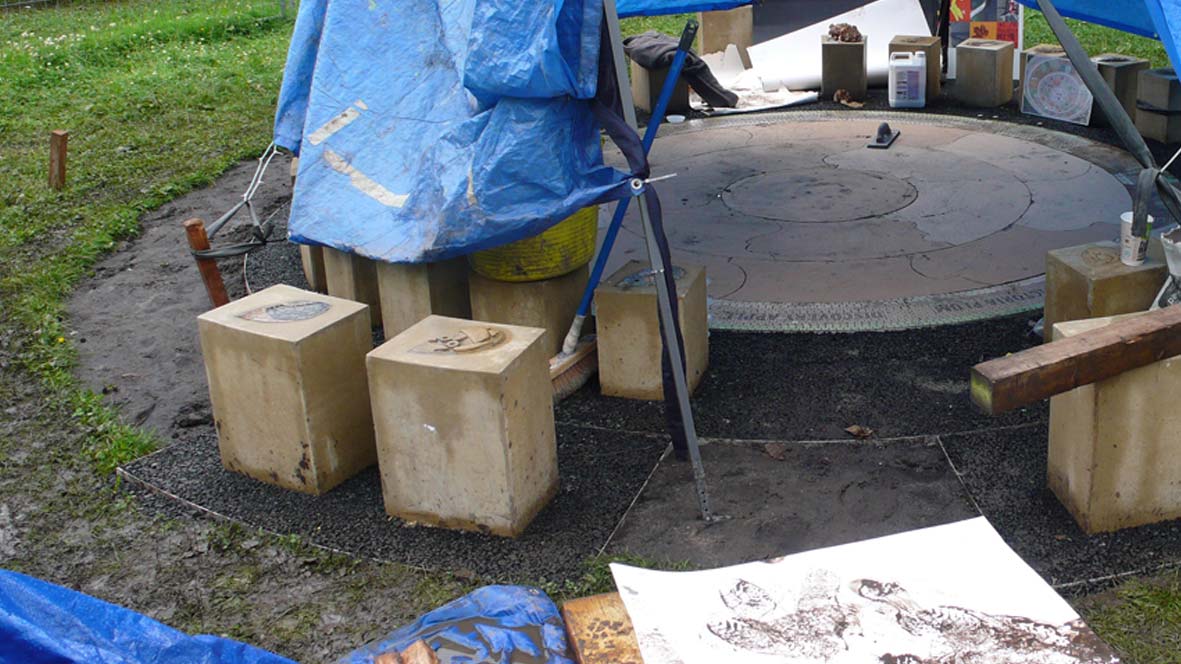 But at one point we had two gazebos and three tarpaulins over the mosaic and they still weren’t enough to keep the rain out.
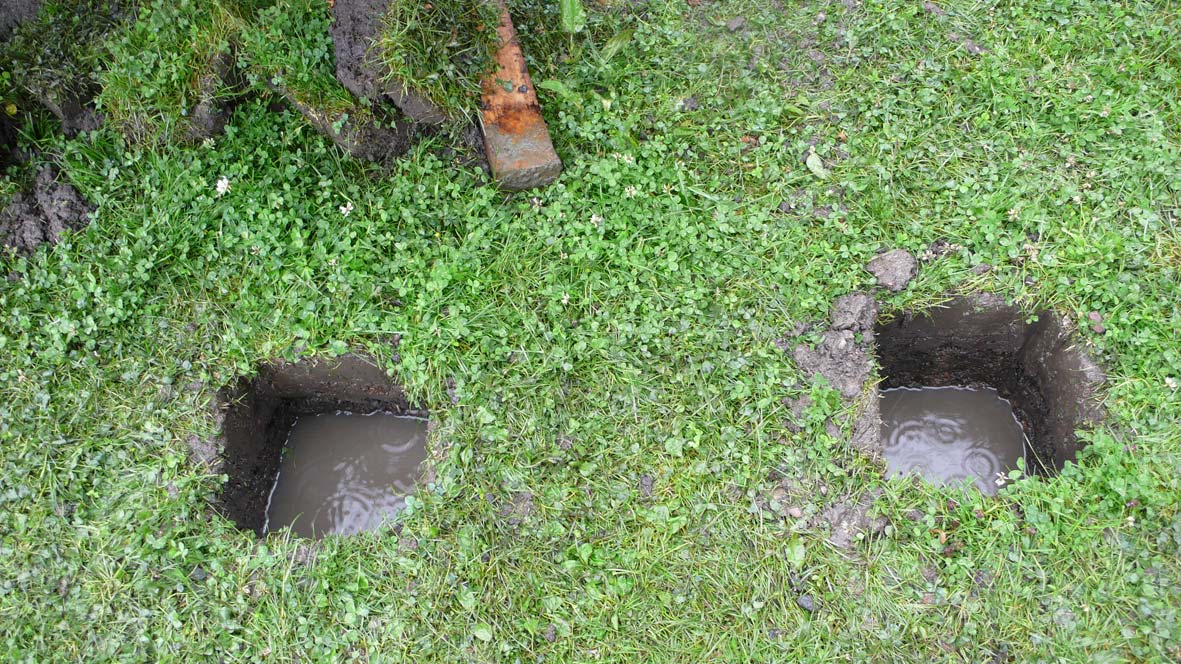 Richard Dawson was also installing his oak benches and banquet table at the same time. These were the holes for the foundations of the banquet table to sit in. There’s about a foot of water in them here… another couple of hours and they were full.
 Still smiling… or is that grimacing?
Next Hyde Park Community Orchard post – the finished artwork!
RHS Tatton – Silver Medal!
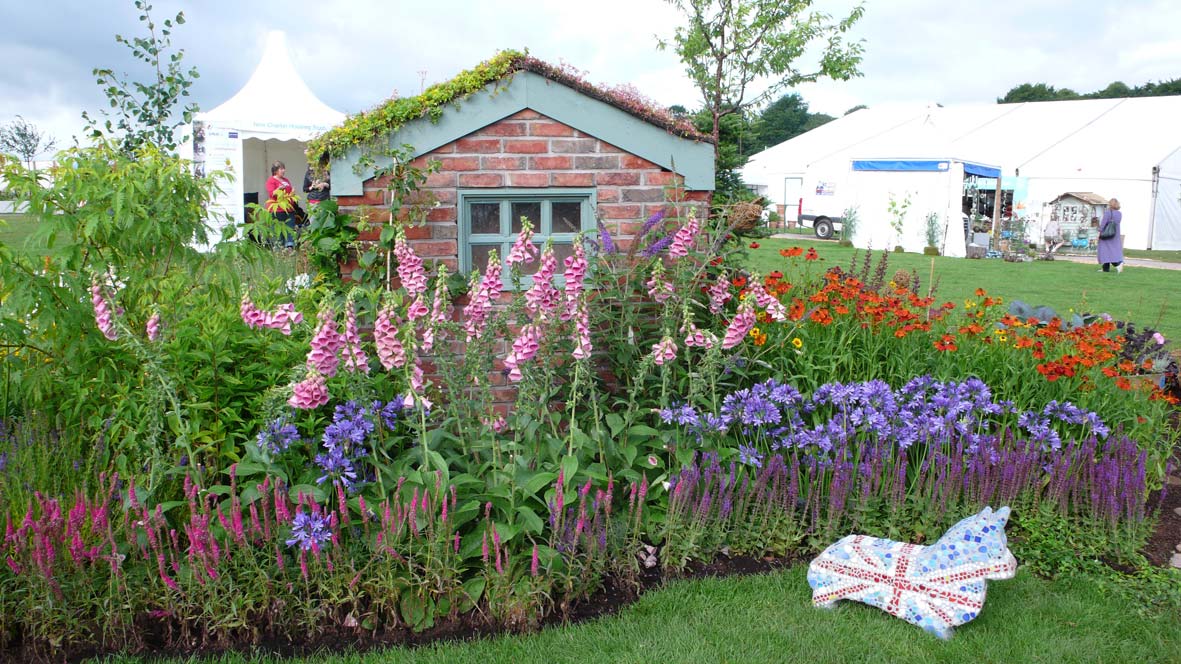
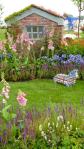
Following two weeks of hard slog in the rain at the RHS Tatton Flower Show, we have been awarded a silver medal for our show garden ‘A Year in the Life of the DreamScheme’. The culmination of 12 months of work and preparation, the garden shows the young peoples’ journey through Spring, Summer, Autumn and Winter using colour, texture, planting and artwork to recreate the seasons.
Myself and Peter Castle worked with young people from New Charter estates to interpret their ideas and designs and turn them into a show garden. Using a circular format as the starting point, we designed each section to represent one season looking at overall effect, impact, the relationship between the seasons and plant associations. Our final plant list included over 100 different types of plants totalling almost 1000 individual specimens.
Once on site, the hard physicial work began, with the hard landscaping and building happening first, followed by laying out and lots (trust me – lots) of digging, then planting. The finishing touches included placing all the artwork made by the young people (mosaic slabs, withy sculptures, Colin the mosaic corgi etc), checking over plants and trees and dressing the garden.
Achieving a silver medal for a first attempt at a show garden is a massive achievement, so we are all incredibly pleased. New Charter received a bronze medal for their first show garden in 2010, so the pressure was on to gain an equivalent or better rating!
Next year, we thought we’d give the silver gilt medal a miss and just go straight for gold..!






 Being A Freelance Artist